In this post I would like to describe the most common types of character classes that can be found in video games. It’s important to be aware of them when you either play games or create them. In this post I will try to provide the most relevant information that should be considered when working with character classes, namely: their types, characteristics, and examples.
Common character classes
Their names may wary from game to game but the core of what they are meant to do remains the same. Think of it this way: healer – heals, warrior – attacks, archer – shoots.
It’s important to distinguish character roles so you don’t try to use your healer to be you main attacker and vice versa. Yes, it’s possible but the effectiveness will suffer greatly. As for game development, separation of classes help balancing the game and improve strategic elements of the game. If all the content can be cleared with one character while you want the player use multiple, most likely the player will you the one imbalanced character, clear everything with ease and complain that the game provides no challenge. You don’t want that; it’s better when the game mechanics work as intended.
As for the main classes, they are as follows:
- Warrior
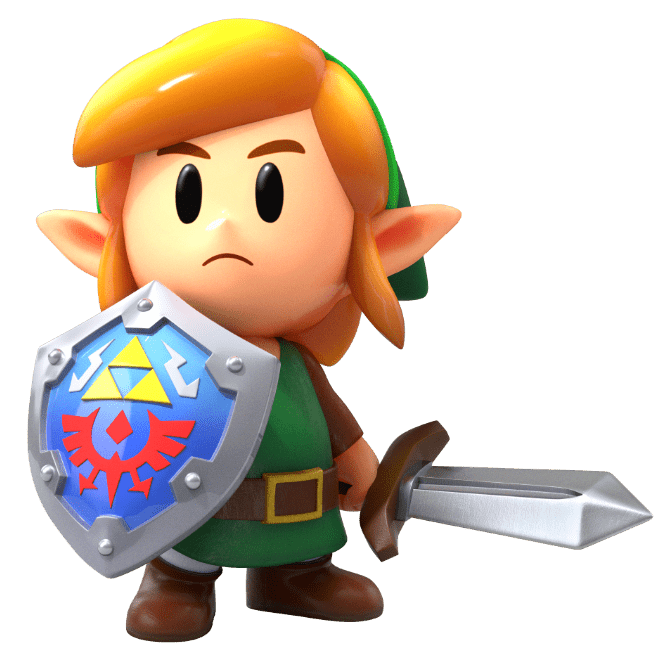
It’s the most common type of attacker, serves as the main DPS (Damage per second; abbreviation used to commonly describe the character who deals the most damage in battle). Such characters most commonly use cold weapons, but depending on the setting at actually can be firearms as well. The key that separates him from an archer is that he is used for close range combat. Warriors can be separated into different subgroups within a game, commonly based on the type of weapon they wield. As an example, I will introduce Link from Nintendo’s Zelda series:
- Shielder
Also known as tank. This character is meant to take on himself the most damage or provide a shield that covers from damage. Their DPS output is less than that of a warrior since they are usually used to protect a target by taking the damage on themselves. Team Fortress 2 is a classic and, of course, it covers the basics well. Heavy – the tank of the most extravagant crew put together would serve as our example for this class:

- Assassin
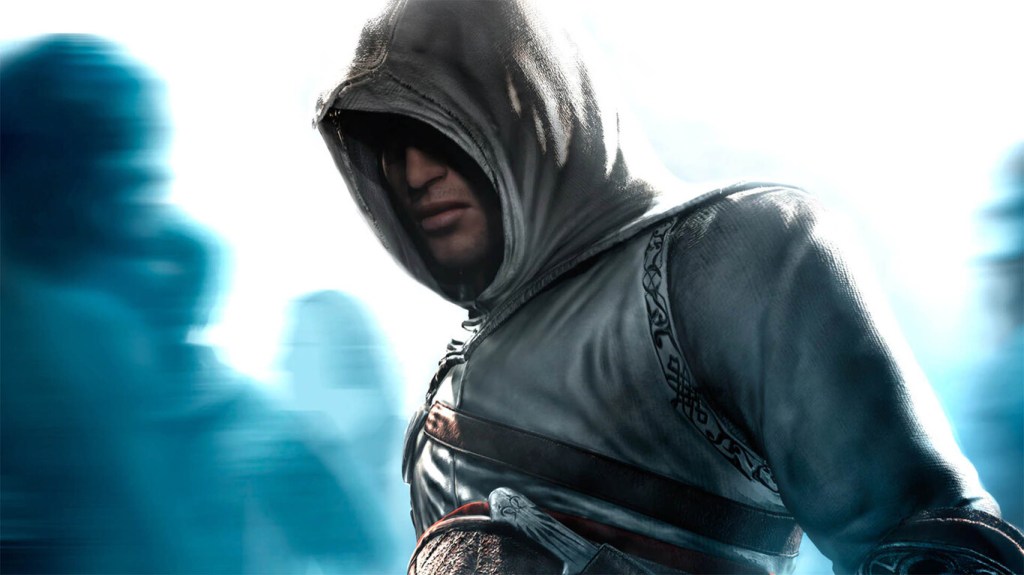
The most common stealth offensive class. It can be either ranged or geared towards close combat, but it utilises deception and sneak attacks to kill the targets. Poisonous attacks are not rare for this class. I mean. it’s right there is the name – Assassin’s Creed. I cannot say for the newer additions of the series, but Altair from the first game is a good example:
- Mage
Commonly a warrior type class but uses magic to fight instead of ordinary weapons. Most commonly a ranged character but it doesn’t need to be the case. They can be main DPS like warrior or a sub DPS. Other, less offensive variations I have covered separately. To be perfectly honest, every character in Reverse:1999 is supposed to the a mage, an arcanist, as they are called there, but this is the most prominent example having a classic wand to cast spells:

- Archer
A ranged character, sometimes is associated with stealth like the assassin but doesn’t use poison as much as assassin and doesn’t engage in close combat. A more modern example of an archer comes from Zenless Zone Zero with Billy Kid, one of the starter characters with flamboyant personality:

- Healer
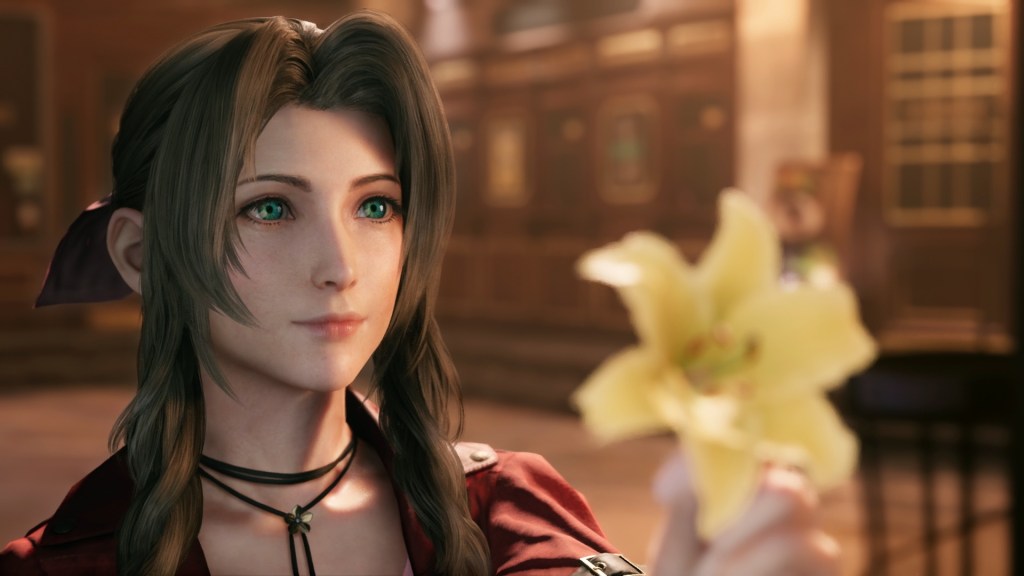
Does exactly what the name suggests, heals. Damage abilities of healers are usually far lower than those of DPS units, but sometimes they can wield offensive spells. Characters of this class may hold a title and aesthetic of religious workers. Do I even need to introduce Aerith from Final Fantasy VII franchise to gamers? The iconic white mage:
- Black Knight
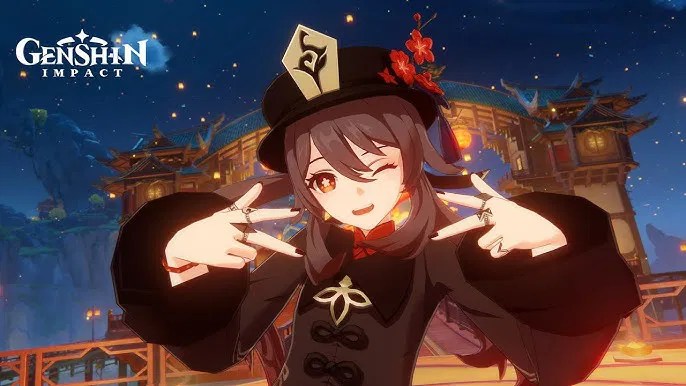
Not as common as some other types mentioned here but it’s hard not to mention it. These are characters that use their own health to deal greater damage. They are not as popular in games as warriors due to the tricky mechanic of eating your own health points and avoiding taking too much damage. For this class, I would like to introduce a very fitting character Hu Tao from Genshin Impact, who works as a funeral parlor director:
- Summoner
They are the type of mage character who specialises in summoning creatures upon the battlefield to fight for the summoner. Florabelle from AFK Journey does exactly that summoning three minions (her pupils) to fight for her:

- Bard
Their main purpose is crowd control and control effects. They are not used to inflict damage as mush as to control the enemies movements and allies abilities. A good example would be Arden from the AFK Arena, older brother of AFK Journey:

- Lancer
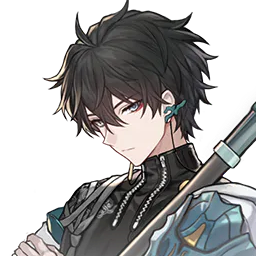
They are pole arm warriors who excel at jumping onto enemies. Sometimes they are referred to as dragoons because their class is associated with fighting dragons but it’s not necessary for them to do so. For this one I’ll introduce Dan Feng from Honkai: Star Rail:
- Jack-of-all-Trades
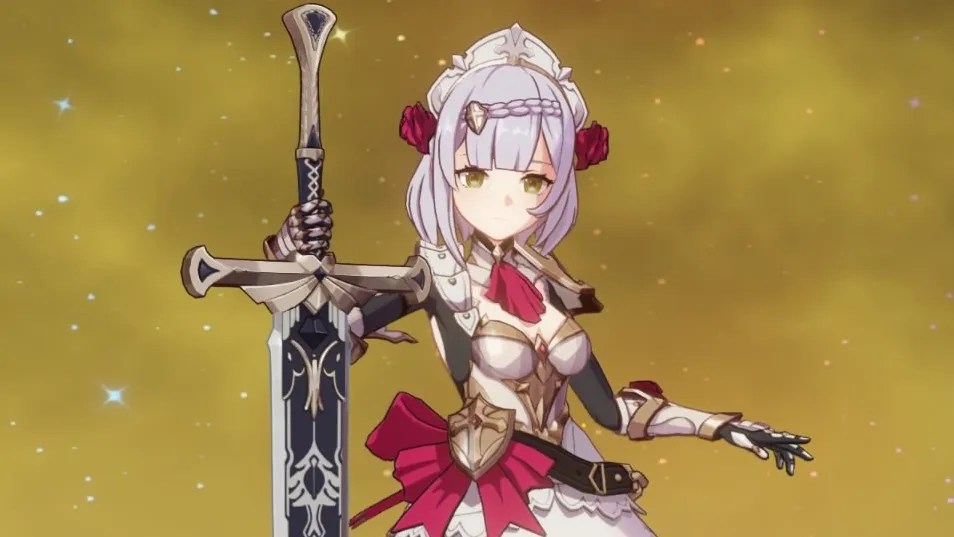
Masters of none. They are usually good in many field and can perform well if a certain slot of the team needs to be filled but they would never be the best choice for any purpose. One may ask, then what for do they exist? To that I can only answer, I’ve just told you why: They are versatile, which means they can be either a great starter character or a nice choice for a character of two roles when only one slot remains. For me, the best example of it is Noelle from Genshin Impact:
- Buffer/Debuffer
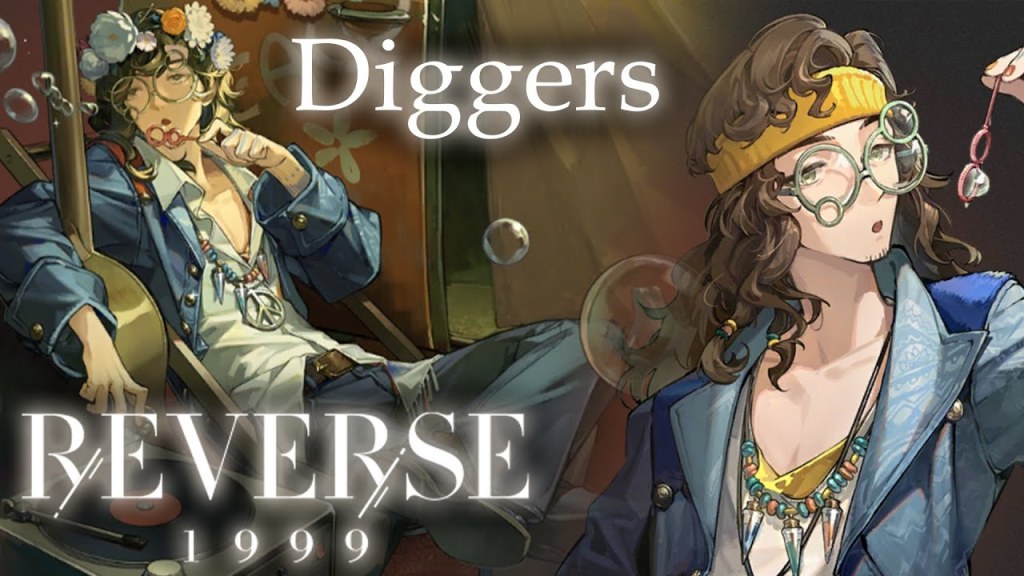
Many other classes may be part of this one but I want to distinguish this role either way. Their main purpose on field is to buff allies abilities and debuff enemies just like the name suggests. Many times these roles are separate and belong to separate characters but they can be united as well. An example comes from Reverse:1999 again with the character called Diggers who excels at debuffing the enemy:
Nuances of character classes
The main nuance that has to be stated is that it’s not a strict rule for one character to belong to one class. Roles can be mixed or fully switched depending on the play style. Although, it’s important to distinguish the predominant role of the character.
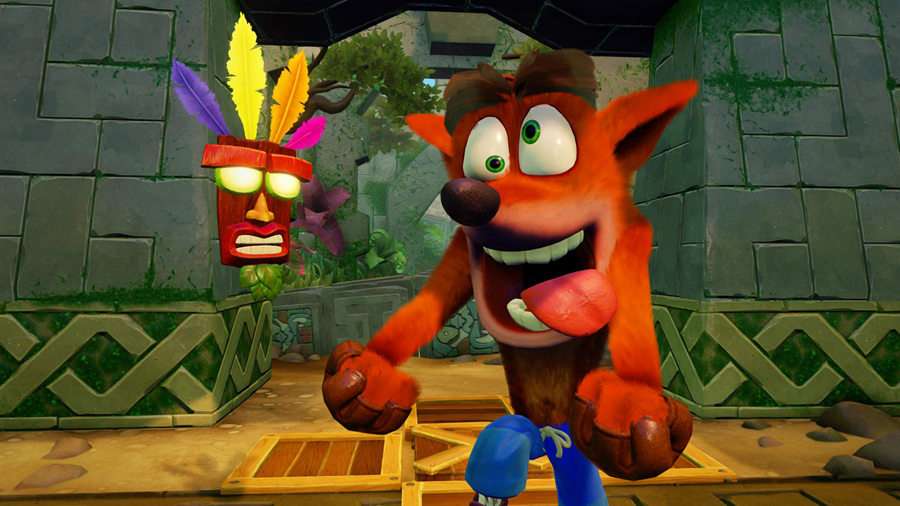
Sometimes a game may have a battle mechanic but not a single class can be assigned there. I don’t want to put such characters into the warrior class because their fighting skills are way too limited. Good examples are Crash from Crash Bandicoot series, Nikki from Infinity Nikki, and Mario from Mario franchise.


In other words, every game may have its own spin on the system of character classes but knowing the basics can help players create efficient strategies and help developers with creating well-balanced game mechanics.
 Geeky Nerd
Leave a comment