This post will be dedicated to deciphering how big video games companies have risen and fallen. I will try to ponder on what led to their failures and propose how the situation can be mended. I will take a few examples of the franchises that I follow and demonstrate what is wrong and what can be done with them.
To begin with, for those unfamiliar with the jargon, a AAA company is a mid-size to major publisher of video games. For this post I have also chosen only franchises that are widely known and have sold at least 50 million copies.
The Sims
A glorified doll house game, also known as “life simulator” developed by Maxis and published by Electronic Arts. Its first entry was released in 2000 but even since the release of The Sims 4 in 2014 the franchise began stagnating. The first Sims game was a bold experiment that opened a fascinating world to the players filled with primitive characters and sometimes questionable aesthetical choices.
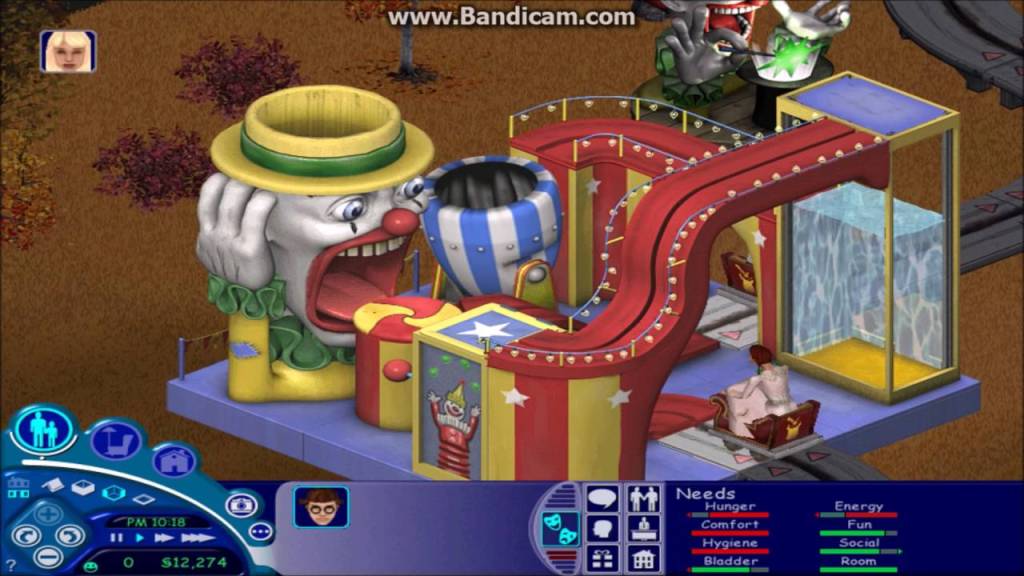
Still, what the game offered was enough for the fans to fall in love with and ask for more. Then, The Sims 2 was developed and released in 2004. It made the Sims a real game and not some daring experiment. It flashed out the concepts of the previous game and added more nuances to the gameplay. Many fans of the franchise consider it to be the best entry. Still it had many limitations which were later removed in Sims 3 (2009). The third entry of the franchise brought in an open world which was later avoided in the next part. It also has brought some rich gameplay and is also loved by many fans. Its only major problem that many players complained about was ugly textures and models. Regardless, this game is considered to be one of the best in the franchise.
So, now it’s time to talk about the odd one out. The Sims 4 (2014). You may notice the first issue when I shall point out that the franchise is 25 years old this year and 11 of those years belong only to one of four titles. Which means that the first problem of the franchise is stagnation. The first three games were trying to develop and bring something new to the table while Sims 4 turned into a cash cow with with countless paid DLC that add superficial gameplay. I’ve played some of them and I have to say that every new skill feels like the basic one but you just look at the character doing different animations.
This last comment is also the second problem worth mentioning. The gameplay in Sims 4 seems very superficial and lacks variety that the previous games could offer.
Additionally, I have found the AI of the characters to be somehow worse that in the previous games. Many times the characters in Sims 4 seem to just stand and do nothing while you have to waste in-game time and your own time to watch them stand still for a minute or two before starting moving.

All in all, this franchise desperately needs a new entry. Its predecessors have built upon one another while the fourth one sits at the same place trying to recycle the same mechanics for over a decade. Nothing good will come of this franchise if the company does not renew the experience for the players.
Assassin’s Creed
A series of stealth action-adventure games developed and published by Ubisoft. It had it’s debut in 2007. I remember how warmly were welcomed the first two parts of it. They have added a touch of history to the games inspiring interest about distinct places in their players. The first few entries were taking pride in trying to recreate the littlest details from the past in their games, to create a correct atmosphere.
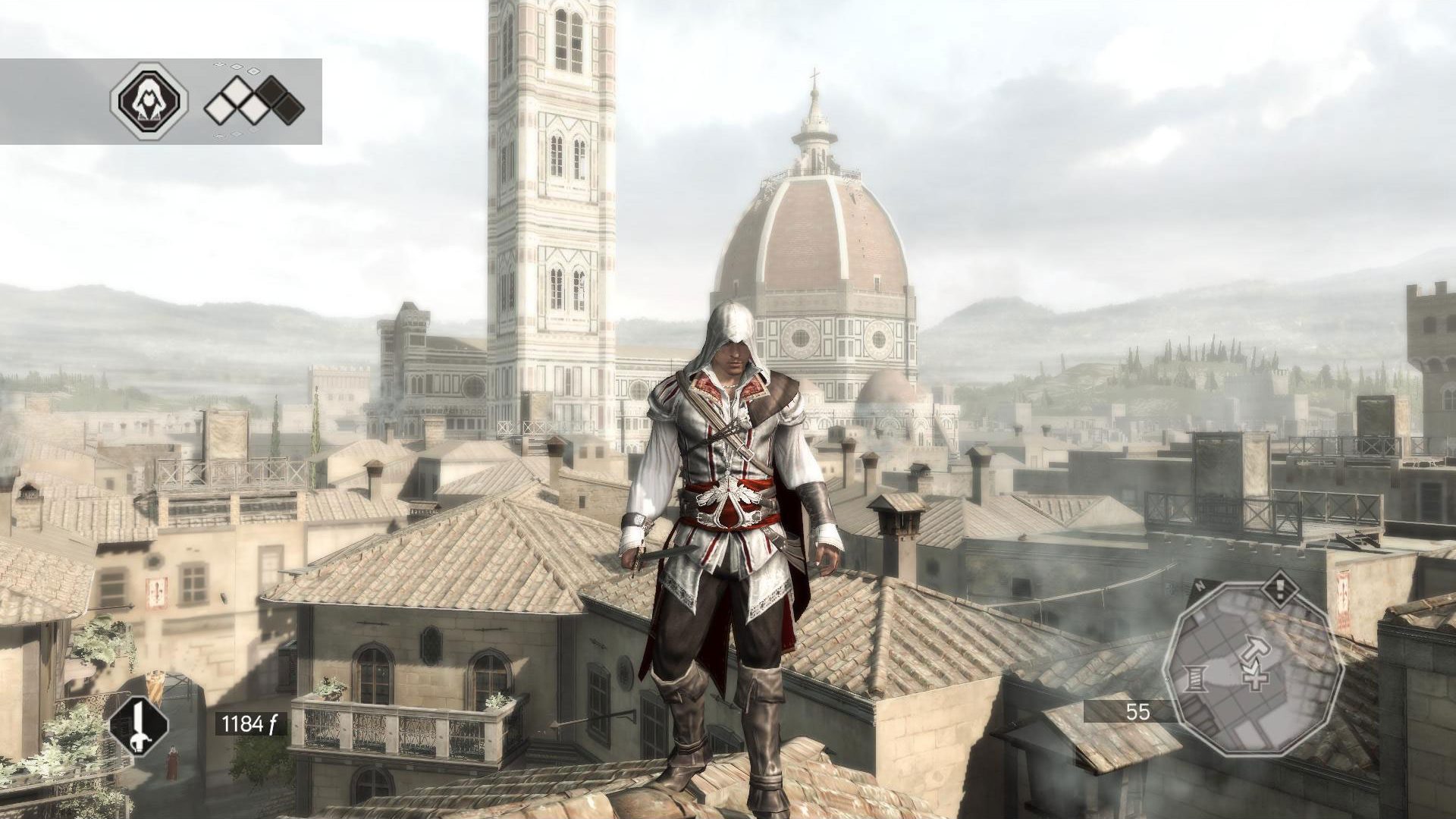
Alas, every good thing has to come to an end. The third and fourth entries have followed the previous pattern and though the elements sometimes felt repetitive to some players, the basis was good enough for the people to continue supporting the franchise.
2015, things change with the release of Assassin’s Creed Syndicate. It’s not that the game itself was too bad but the direction of the franchise has changed at this and it shows. The next release after the Syndicate has happened after 3 years while previously Ubisoft would try to make a new entry each year. It helped with the gameplay issues as the franchise started to experiment with storytelling which also reflected some of the gameplay mechanics.
Then, why is this franchise on the list of failing ones one may ask? Well, the answer is quite simple, politics. Politics and and too much experimentation, they should give some of its excess to EA for Sims. In the pursuit of innovation Ubisoft have taken one very important aspect of the game that I have mentioned earlier: historical realism.
The first games tried to do their best to represent the time periods they were talking about but with the most recent entries this strive for perfection got changed into catering of political messages before dry facts.
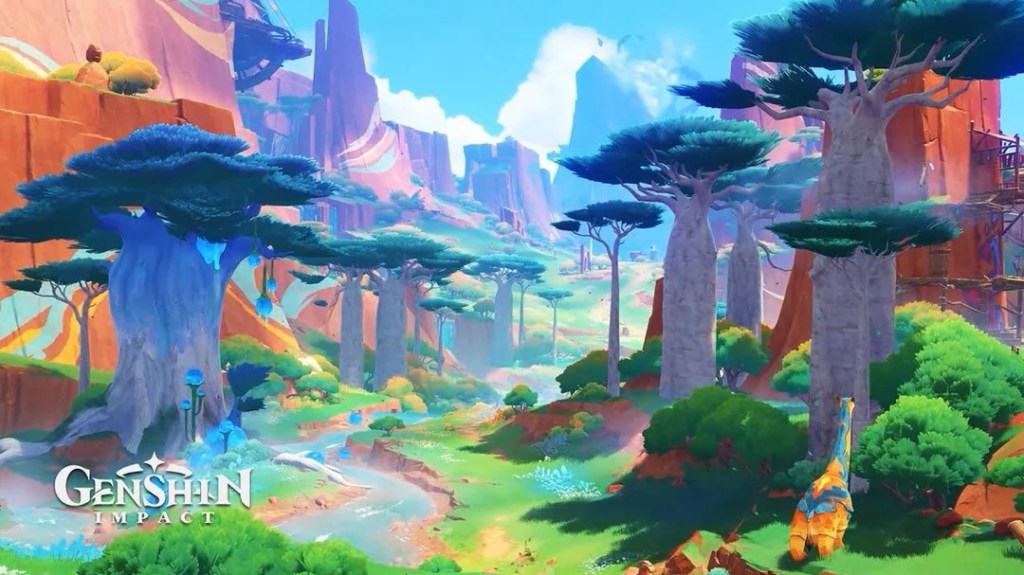
It just seems unnatural to me to try to historically show Japan with a hero who was not even born there. To me the remedy is simple: a Japanese hero for a Japanese setting, an African hero for the African setting. I mean, there are very few popular games who show an African setting. It would definitely look fresh and exciting. For instance, look at Genshin’s Natlan. It’s a rather controversial opinion, but the place looks fascinating in some places:
The Elder Scrolls
“Cheese for everyone!” These are the first words that come to my mind when I think of The Elder Scrolls franchise. Yes, as you could have noticed Oblivion is my favourite entry but it doesn’t men that other are not great.
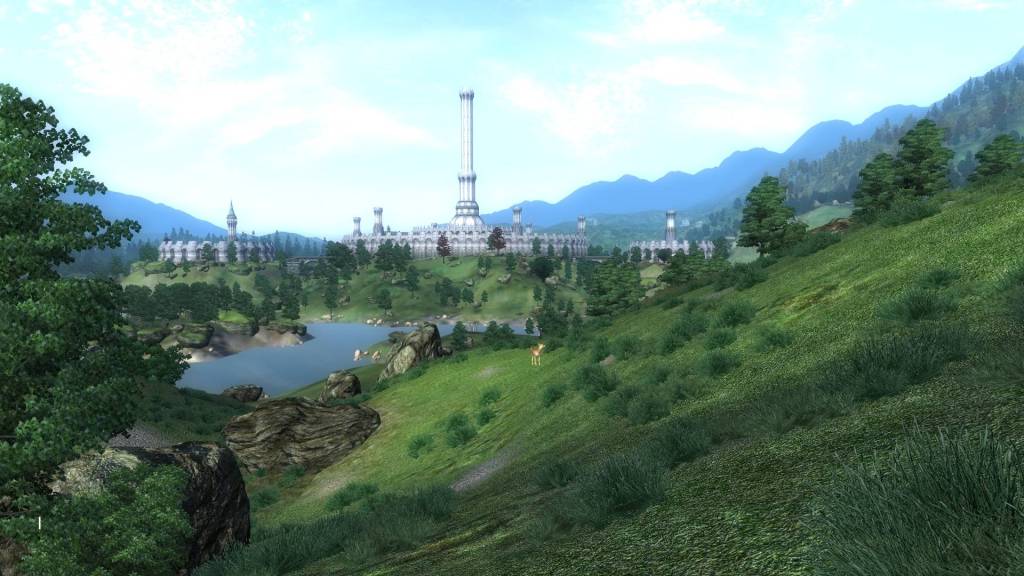
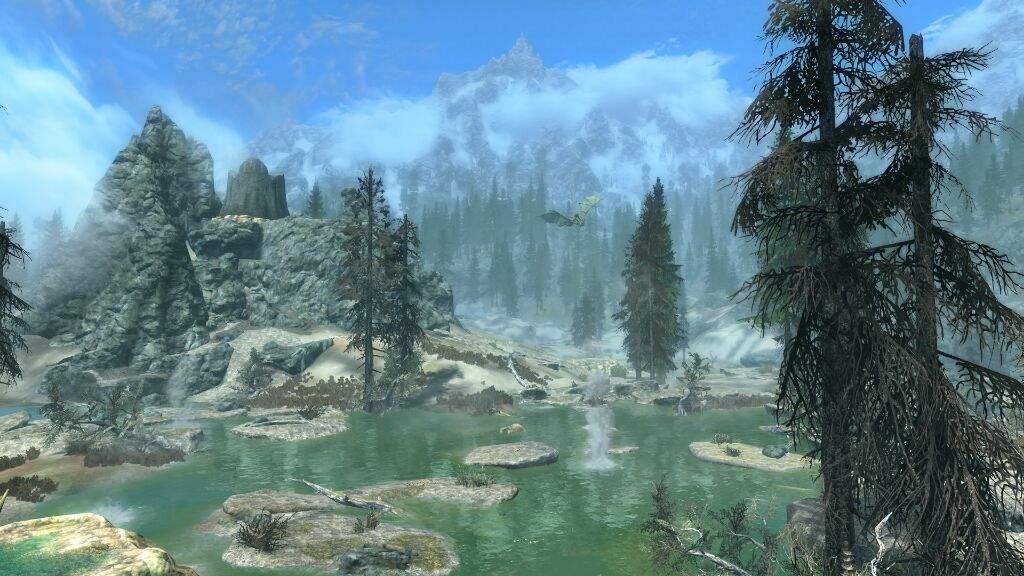
The thing is, The Elder Scroll tends to pick up the most trendy fantasy setting of its time and convert it into a game. The trio of Morrowind, Oblivion, and Skyrim is so well-remembered because of how each of them is distinct from one another:

The latest game The Elder Scrolls Online (2014) was poorly received at first mostly due to bugs and unsatisfactory gameplay. To me, the fact that it was an online game became the main factor why I decided not to play it even tough I have enjoyed the previous entries. That and also the fact that for the first year of its release it required a paid subscription rather than allowing you to pay once and enjoying the game whenever you felt like it.
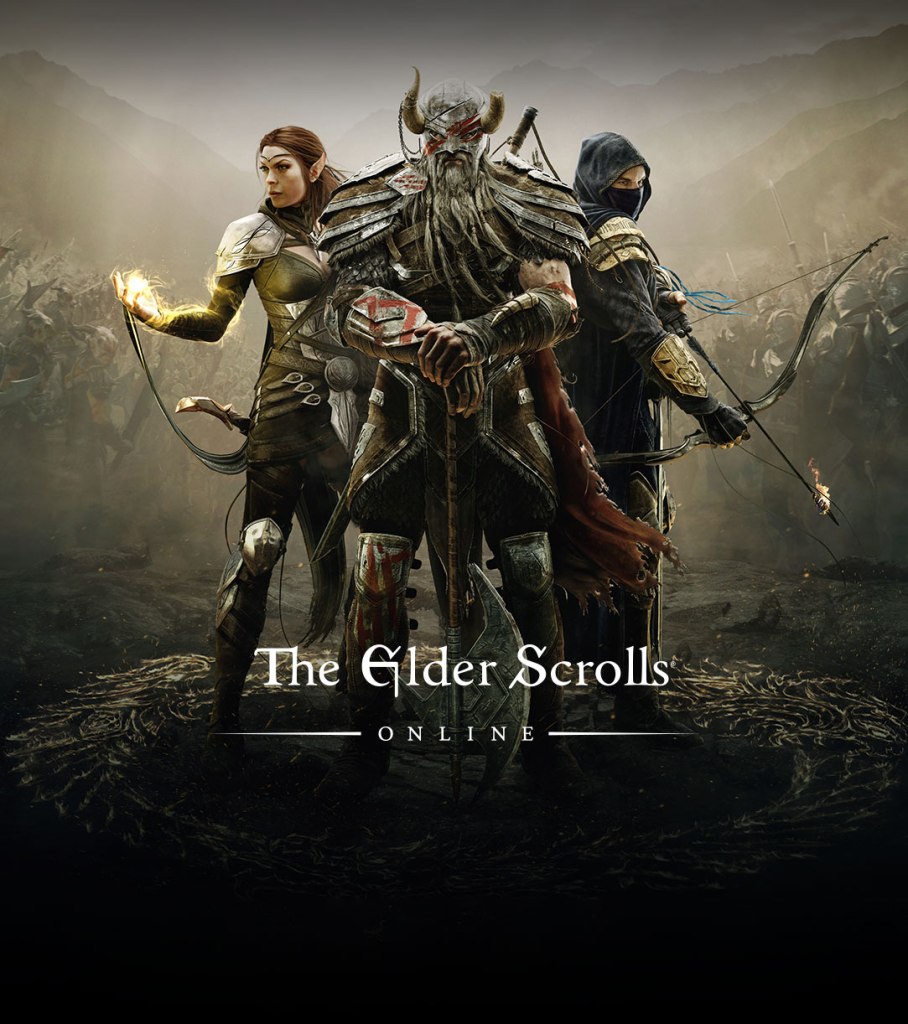
The thing is, TES Online messed the lore a little bit which was not taken well by some fans, myself included. The game’s events predate the events described in the other games of the series but they are at times inconsistent when compared to what we know from other games of the series.
Unlike the first two examples of unsuccessful franchises I have pointed out before, this one is not as bad but the franchise needs a new entry to revitalise itself and it’s better be as iconic as the trio I’ve mentioned above. The Elder Scrolls VI has been announced in 2018 and yet Bethesda only republishes Skyrim and there is a rumour of Oblivion remaster.
In conclusion, I have to notice that something must have gone south for the gaming industry to start making bad decisions at around the same time. Either that or I have accidentally picked franchises that seemed to sart struggling during the same time.
Another conclusion that I would like to draw is that for the franchise to grow, it should not dwell on its past but build of the foundation created by its own games. Hopefully, these companies will find their ground again. The games I have talked about here have made quite an impact of the gaming industry as a whole, so I don’t want to see them gone due to a bunch of bad decisions.
 Geeky Nerd
Leave a comment