I would like to dedicate this post to Stardew Valley and how it was able to become one of the top farming games of all times. Nevertheless, calling Stardew Valley a farming game would not be entirely correct. It’s a social simulator or a very laid-back RPG, if you want.
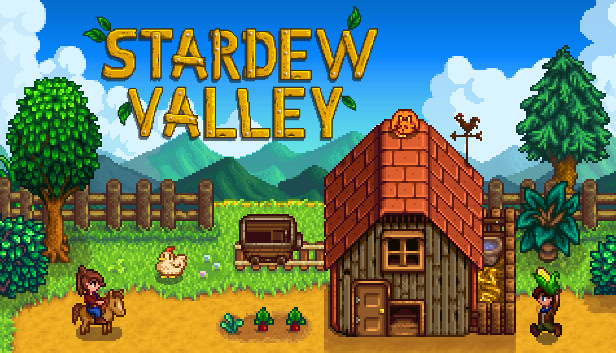
After all, the end goal of a farming game is to farm. The end goal of a social simulator is to interact with other characters and “socialise” with them. That’s why we can also refer to Stardew Valley as an RPG to an expend. You role-play as a niece or nephew who inherits the farm from one’s grandfather and being tired of the suffocating rhythm of the city decides to live off grid.
However, a question raises: how the game is different from its competitors? And who are those competitors to begin with? Well, let me explain.
Social Simulation Giants
Now I shall describe a few Stardew Valley competitors from big companies. Yes, some may say that it’s unfair to compare an indie game to game made by a company but the difference mostly is in size and graphics. It is significant to a game but somehow Stardew Valley still is compared to them and is regarded by many as a strong competitor, so I will do it as well. After all, bigger doesn’t always mean better.
Animal Crossing: New Horizons
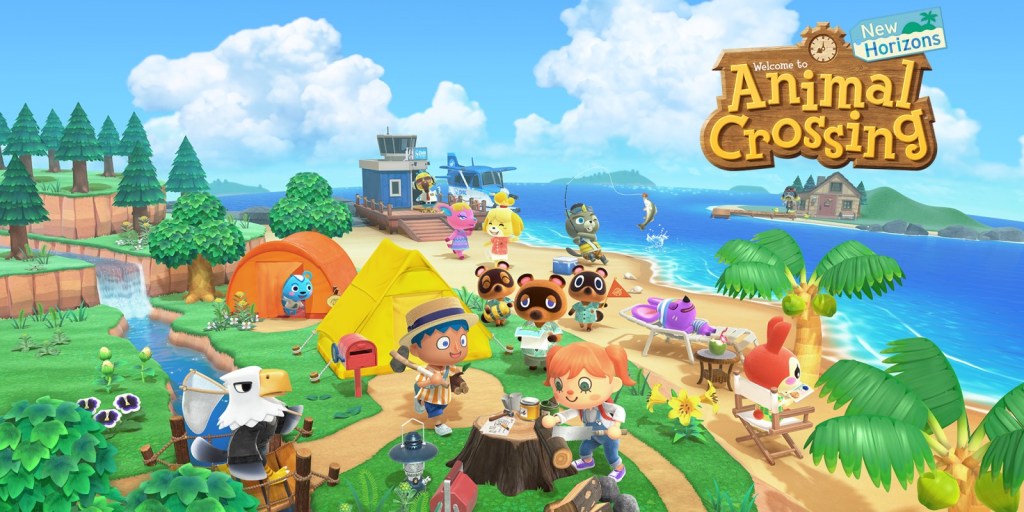
One of the famous Nintendo franchises that focuses on interaction with town NPCs and other players. It is well-loved around the world and has gained its popularity through cozy atmosphere and easy controls. It allows a very high level of customisation of the land it gives to the player and specializes on the said customisation.
Harvest Moon: One World
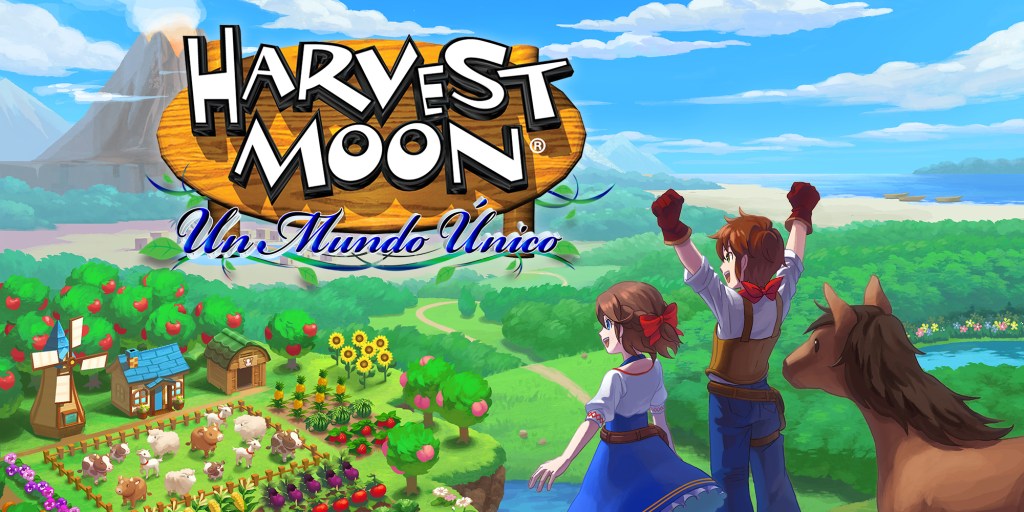
I’d say it is possible to call it the forefather of all cozy farming games. The concept might have seemed boring to the executives at the time but the franchise is growing and One World is its latest game in the series. I cannot say that it’s a good game, though. It looks uninspiring and feels very barren and repetitive. Regardless, it can be used to relax after a hard day.
Rune Factory 5
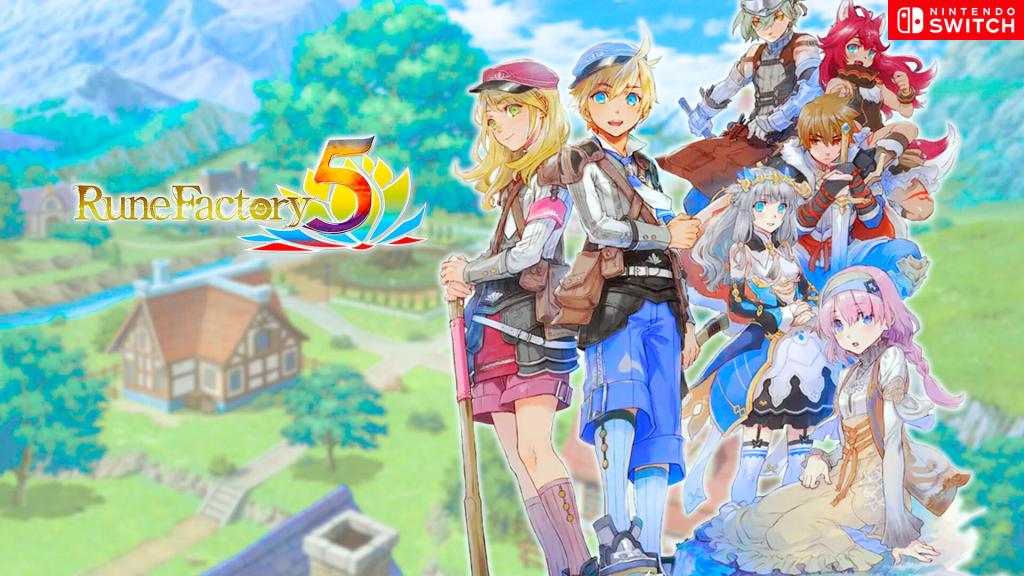
This one is a blend of a social sim and an RPG which is trying to take the best of the two genres. needless to say, it succeeds in this task. Although, some people may not like the fact that it relies on combat heavier than ordinary social sims, the game tried to balance the challenge out for everyone.
And what’s Stardew Valley
As for Stardew Valley itself, I probably should introduce it as well. So, here is the gist: it’s a farming social simulator. You can farm, you can mine, you can fish, you can start a family. The floor is yours.
Basically, the main reason why every other farming game or social simulator that was published since its release is compared to Stardew Valley is because Concerned Ape, its developer, was able to summarise the main features to practically be the “golden standard”. it doesn’t mean that the game is perfect, it just means that it covers all the basics well, so everyone can find what to do there and be satisfied with the gameplay. it also means that if they’d need something from another game mechanic, it’s not necessary to gain some mad skills in order to get what they want which ultimately means that the gameplay is streamlined and is not disrupted by grinding.
How different is the gameplay?
Social simulators are bound to share many common features but not all of them have got the equal importance to the intended gameplay style. Some games lean more towards one aspect than the other. Here, I would like to highlight the differences in some basic mechanics that the games share.
Farming
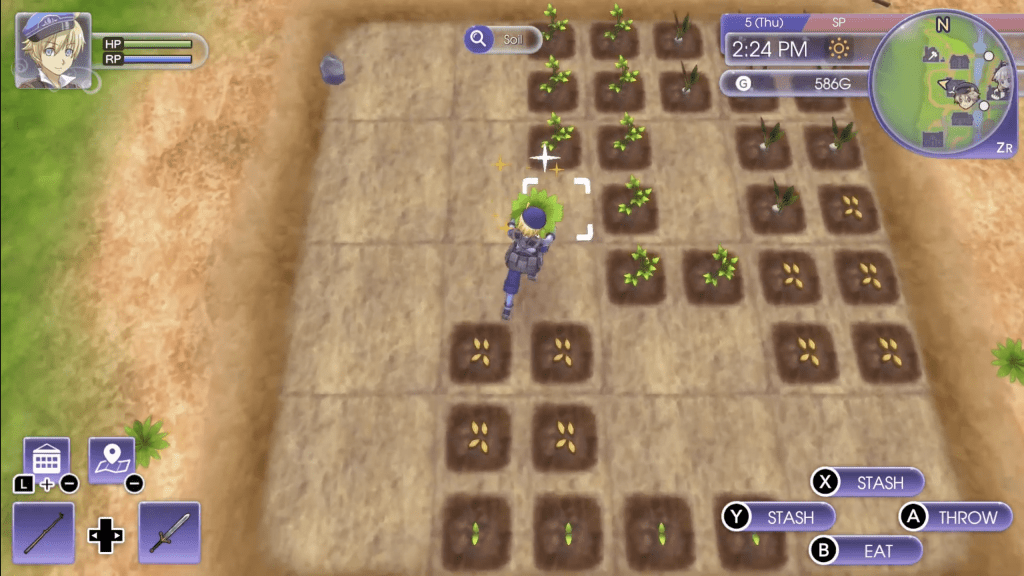
Very similar in all games. You prepare the land, plant seeds and water them until they are ready for harvest. The one to stand out in this category would be Animal Crossing: New Horizons simply because farming is not the focus of this game. Thus, the mechanic is not very developed and is rather primitive compared to other games in this post. Needless to say, other games on the list can actually be marketed as farming games because the farm is what you get at the start. Animal Crossing is more about the growth of the community on your island and customisation.
Mining
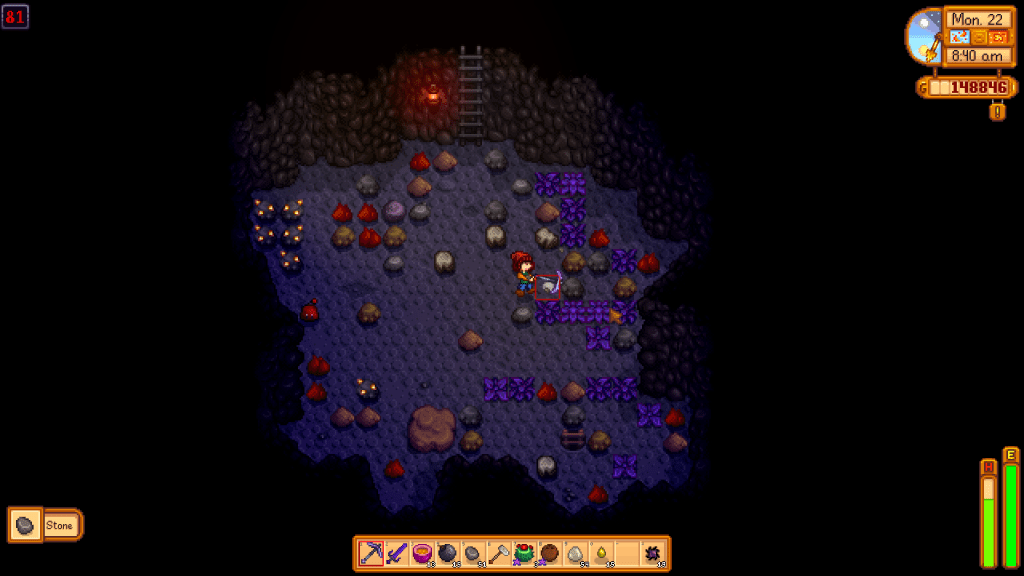
Again, very straight forward in the majority of games yet still very distinct. It’s pretty much non-existent in Harvest Moon: One World and Animal Crossing: New Horizons being limited there to a few spots to use hammer of pickaxe on. On the other hand, Stardew Valley and Rune Factory 5 take two different approaches to it.
In Stardew Valley caves where you can mine are effectively the only dangerous places with enemies that can hurt you. (There is also the forest, but it’s rather insignificant for the long run). As for Rune Factory, it made dungeons into mini challenges for players to find resources and fight enemies which leans heavily into classical RPG style.
Fishing
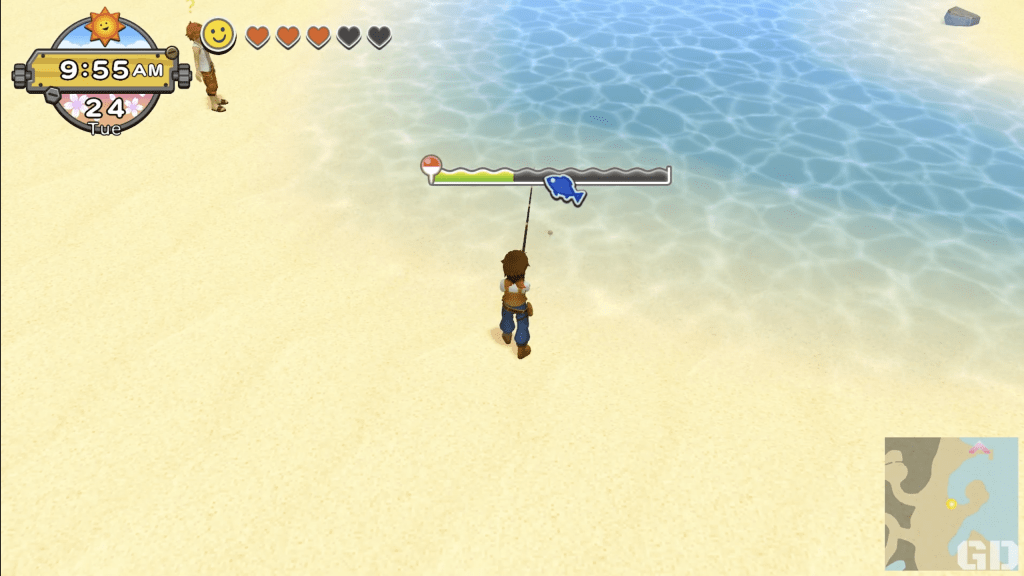
The mini games for fishing are simple in all games that have it. Animal Crossing: New Horizons is again the special child of gameplay where you simply need to click a spot to catch a fish.
Foraging
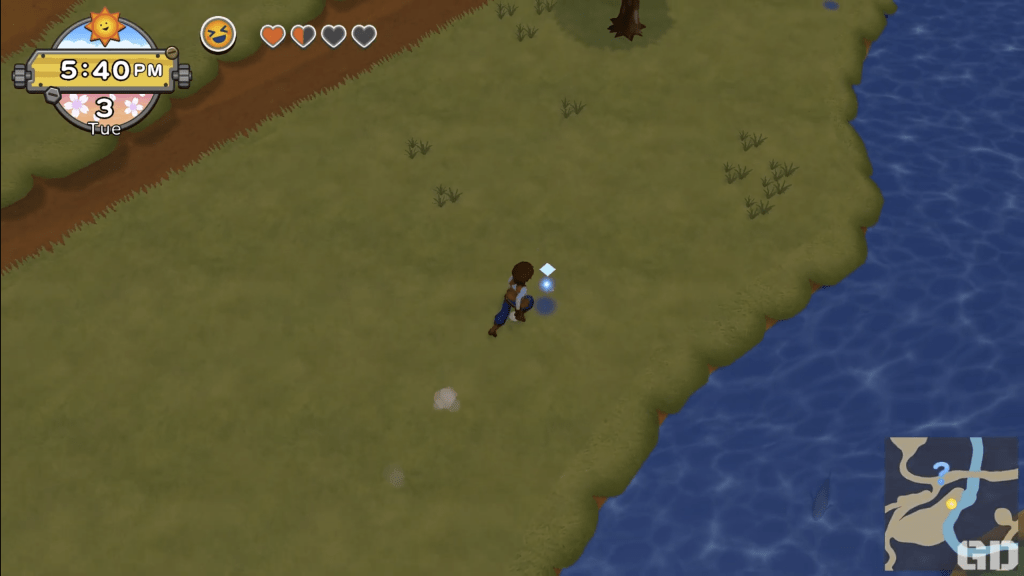
The most straightforward you can ever get: you find an object you can collect, you click on it, you get it. No enemies in Harvest moon or Stardew Valley. In this regard, Rune Factory 5 adds enemies like in a classical RPG which makes exploring a bit more exciting and action-oriented. As for Animal Crossing: New Horizons, it’s a welcoming surprise after its previous comparisons. Tarantulas or bees you wish to collect can actually bite you if you are careless enough, so there is some sort of mechanic involved.
Battling
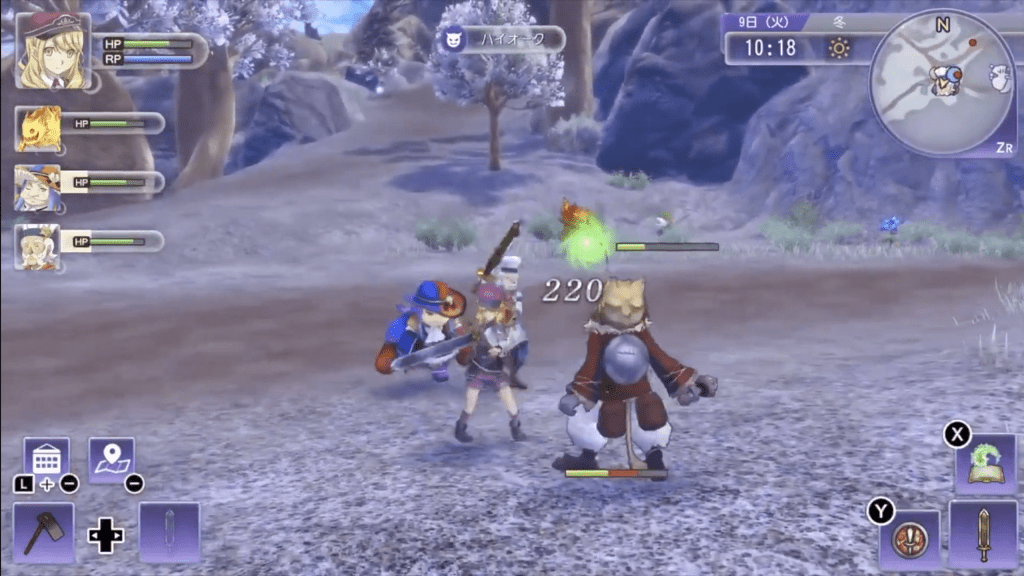
Well, there are only two contenders here, and the crown goes to Rune Factory 5. This game really tries to combine the best of RPG and farming sim. As for Stardew Valley, the combat system is rather simple but it still provides enough to make pushing buttons engaging.
Making relationships (Relationshiping)
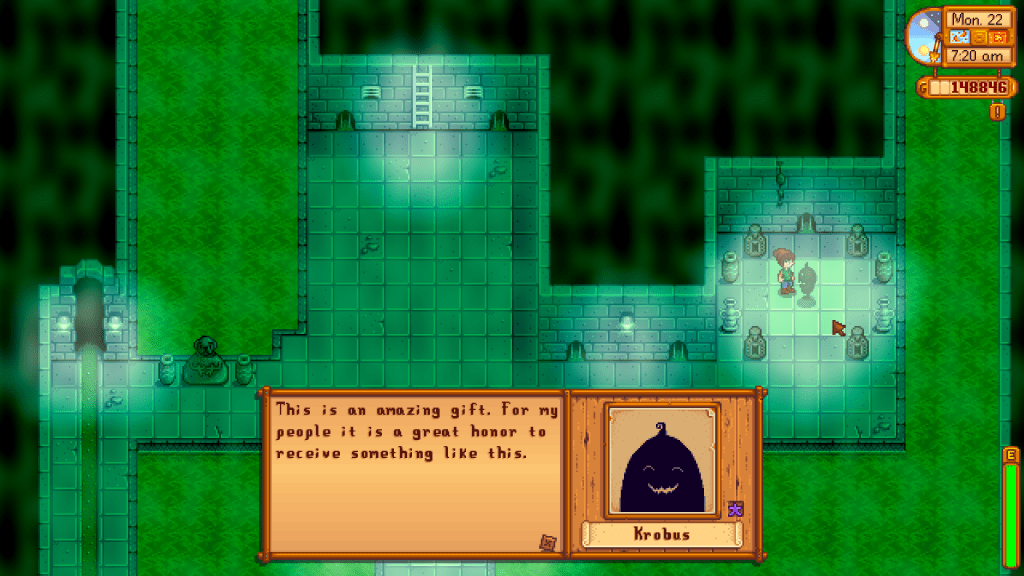
Now, this is the reason why I decided to compare these games to begin with. And just like with combat, Stardew Valley takes its silver medal here for me. Surely, Animal Crossing: New Horizons has got many wonderful characters to talk to and Harvest Moon: One World is trying to present as an RPG but still, it’s the simplicity and sincerity of Stardew Valley that make its characters stand out. They are distinct and can react differently on your words and gifts. You can also share some special moments with them, but most importantly you can live with Krobus. And, yes, I’m totally based on this one. I won’t hide it.
In spite of that, the crown once again goes to Rune Factory 5. And this time mostly because of more variety in interactions and ability to go on adventures together with the characters you want to be with.
So, what’s the verdict?
The verdict is that Stardew Valley is one of the best solo project that has graced the Earth. It also became the standard for social sims due to its simplicity and variety. There are games that can do better in some aspects of its core features but none has yet managed to “beat” Stardew Valley in them all. No has any game really tried. they don’t need to.
Being a standard is a niche of its own, the measure, so to speak. Stardew Valley filled this niche. The rest can perfect their core aspects and develop from their, since having the same clones from every studio would be a bad sign. Everyone should play a game that speaks to them the most and usually its the game that distinguishes the certain feature of preference of the player. Stardew Valley’s feature was accessibility; Animal Crossing’s – customisation; Rune Factory’s – role-playing; Harvest Moon’s – socialisation and farming.
 Geeky Nerd
Leave a comment